
How chemotherapy medicines are administered
Chemotherapy is one of the most often utilized therapies for cancer worldwide. It employs anti-cancer drugs to kill fast-growing cancer cells, shrink the size of the tumor, and help prevent the spread of disease. How the medicine is given varies on the type of cancer, the medicine used, and the patient’s overall treatment plan.
Description:
Learn how chemotherapy medications are given, standard treatment approaches, factors influencing dosage, how chemotherapy works, export paperwork, FAQs, and global oncology medical insights.
Introduction.
Chemotherapy is one of the most common cancer therapies utilized worldwide. It employs anti-cancer drugs to kill fast-growing cancer cells, shrink tumours and help stop cancer from spreading. How the medicine is given varies on the type of cancer, the prescription provided, and the patient’s overall treatment plan.
1. Popular Methods of Giving
Intravenous (IV) Drip
Injected straight into a vein.
The most usual method.
Done in hospitals or in chemotherapy day care centers.
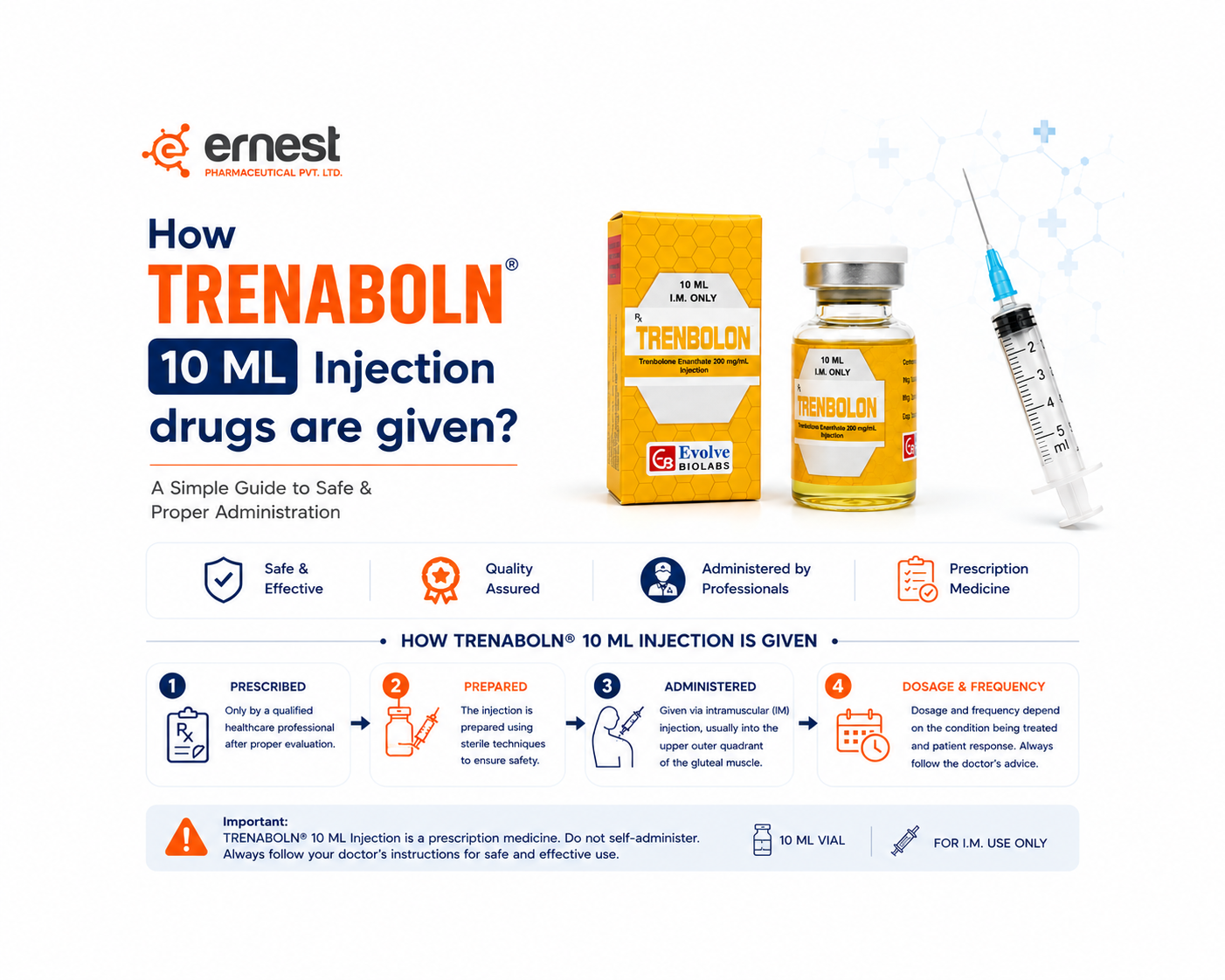
2. Intramuscular (IM) Injection Injected into a muscle.
Used when appropriate for some medicines.
3. Injection Subcutaneously
Subcutaneous injection.
Suitable for some targeted oncology drugs.
4. Oral Chemotherapies
Take the prescribed tablets or capsules at home.
Patients must follow the suggested timetable strictly.
5. Intrathecal Chemotherapy
Injected into the spinal fluid.
Especially in blood malignancies and central nervous system involvement.
6. Local Chemotherapy
Gels or creams administered directly to damaged skin.
It is mostly used for certain skin malignancies.
7. Intra-Arterial Chemotherapy
Medicine administered into the artery supplying the tumor.
8. Chemotherapy given into the abdomen
Delivered into the abdominal cavity for some malignancies.
The Mechanism of Chemotherapy
Chemotherapy drugs travel through the bloodstream and attack cancer cells that grow rapidly. They function by:
Killing cancer cell DNA
Suppressing growth of cancer cells
Reducing tumor development
Killing tiny cancer cells left after the surgery
Reducing the risk of cancer recurrence
Medicines:
Dosing
The amount of chemotherapy given varies with each patient. The dose is determined by the doctors according to:
- Type and stage of cancer
- Weight or body surface area (BSA)
- Kidney and liver function
- Results of the blood test
- Previous therapy
- General health condition
- Protocol of combination therapy
Global Demand for Chemotherapy Drugs Continues to Grow
The global market for oncology is growing as healthcare systems are improving access to diagnosis and treatment for cancer. More hospitals and licensed pharmaceutical distributors are looking to dependable international suppliers for high-quality chemotherapy medicines. Indian pharmaceutical exporters continue to play a vital role in offering affordable oncology drugs to healthcare providers across Asia, Africa, the Middle East, Latin America, and other regions while supporting international quality and documentation criteria.
Contact Ernest Pharmaceutical Pvt. Ltd. - Pharmaceutical Medicine Exporter
(A Group Company of Ernest Pharmaceutical Pvt. Ltd.)
Official sites
🌐 www.oncologymedicinesupplier.com
🌐 www.ernestvision.com
🌐 www.ernestpharma.com
🌐 www.ernestimpex.com
Corporate Email
📧 exports@ernestpharmaceuticals.com
📱 +91 94054 76170
Connect with Us on WhatsApp 💬 https://wa.me/message/V2MEXZ6ZAYY5B1
#Chemotherapy #CancerTreatment #OncologyMedicines #AntiCancerDrugs #ChemotherapyInjection #CancerCare #OncologyPharma #GenericMedicines #PharmaceuticalExporter #MedicineExporter #BulkMedicineSupplier #HospitalSupply #CancerMedicineSupplier #HealthcareIndustry #GlobalPharma #OncologySupplier #IndianPharma #PharmaceuticalDistribution #CancerAwareness #HealthcareSolutions Chemotherapy drugs
Administration of chemotherapy Injection for chemotherapy (drugs for treatment of cancer) Chemotherapy drugsAnti-cancer drugs
Chemotherapy pills: Generic chemotherapy medicines Exporter in medicine in oncology Cancer injection supplier Chemotherapy supplier
Frequently Asked Questions FAQs
1. How do you normally give chemotherapy drugs?
The medicine used in chemotherapy can be delivered in several ways, such as intravenous (IV infusion), oral tablets or capsules, injections, subcutaneous injections, intrathecal delivery, or topical treatments. The approach relies on the type of cancer, the prescription prescribed and the patient's treatment plan.
2. Does chemotherapy hurt?
Most chemotherapy treatments aren’t uncomfortable. When the needle goes in people getting IV chemotherapy could feel a little pinch. Some medicines can cause temporary discomfort or irritation, but patients are closely monitored by healthcare professionals throughout their treatment.
3. What determines the amount of chemotherapy?
The dose of chemotherapy is determined by the oncologist depending on the patient’s body surface area (BSA) or weight, type and stage of cancer, general health, kidney and liver function, and prior treatment history. Dosing is individualized for each patient.
4. Chemotherapy at home
Yes . Some chemotherapy medicines can be taken at home as tablets or capsules, but this is only possible under strict medical supervision. Chemotherapy that is given by injection or infusion (into a vein) is usually given in hospital or in specialist cancer clinics.
5. What precautions should patients take throughout chemotherapy?
Patients must strictly follow their chemotherapy prescription, attend all scheduled treatment sessions, maintain good hygiene, stay hydrated, eat a balanced diet as recommended, report any unusual side effects to their healthcare provider without delay, and never change or stop treatment without consulting their oncologist.